







Search Results for: one sip
Espresso Tasting Guide: A Full Breakdown of the Three-Sip Rule and Sensory Experience
Espresso is hailed as the soul of coffee, yet knowing how to properly savor it is a subject worthy of deeper study. From the golden crema on the surface to the layered changes on the palate, every sip carries a different sensory experience. This article will walk you through the three-sip rule for drinking espresso: the first sip delivers a rich, bracing kick; the second reveals a soft, sweet fragrance; and the third lets you savor the caramel-sweet finish that emerges when the white sugar at the bottom of the cup mingles with the coffee. At the same time, we'll explore why those who truly understand coffee insist on finishing a cup of espresso in three sips. As a specialty coffee brand, Front Street Coffee's espresso offerings are also well worth trying for coffee lovers. [more…]
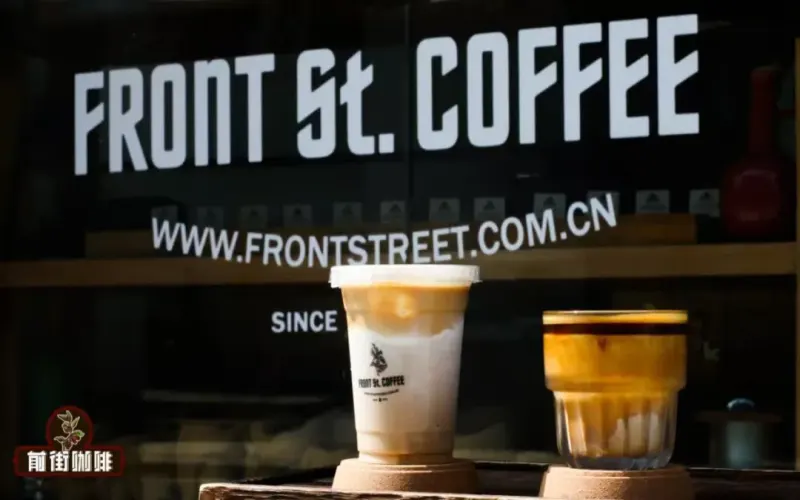
How should you drink espresso to get it just right? A full breakdown of when to stir and when to take big sips
When a cup of coffee is placed in front of you, should you stir it or just take a big gulp? There is no uniform answer to this question—the key lies in the drink's own design intent. In this article, Front Street Coffee sorts out two categories of drinking methods: espresso, iced latte, flavored coffee, and the like need to be stirred before drinking because of their layers, otherwise they will either taste thin, or one sip will be all syrup; while Dirty, Con Panna, hot latte, cappuccino, and espresso-derived small-cup products emphasize not stirring and taking a big mouthful, so that you can simultaneously experience the double contrast between espresso and milk in temperature and flavor, or take in the milk foam and cream along with it. The article also explains the principle behind how the layers form, and the aromatic and sweet lingering aftertaste brought by the retronasal breath after swallowing a big mouthful. Finally, Front Street also reminds us that there is no fixed rule for how to drink—just follow your own preference. [more…]
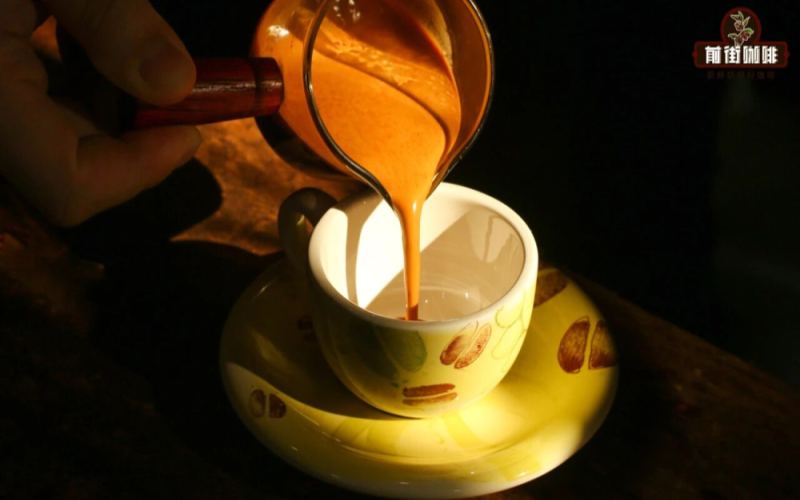
The correct way to taste espresso: how to drink out its layers, and how it really differs from Americano
Espresso always carries a sense of drama on social media—some people down it in one gulp with a look of pure bliss, while others take a single sip and immediately frown. Why does the same cup of coffee trigger such polarizing reactions? The truth is, espresso itself is not just bitter; its aroma and layers are far richer than you might imagine—it's just that the high concentration makes the bitterness too prominent, masking the flavors underneath. Starting from real scenes at Front Street Coffee locations, this article shares practical tasting techniques such as stirring the crema, drinking in stages, and pairing with ice water, while also clarifying the essential difference between espresso and Americano, helping you truly understand this little cup of Italian coffee. [more…]
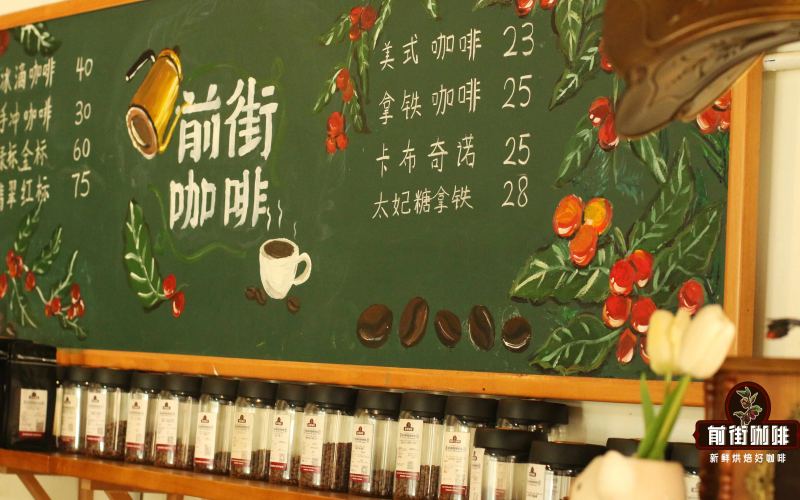
Why is a Dirty Coffee served in a small cup and meant to be finished in three sips? Front Street Coffee explains the cup-size logic and drinking approach of Dirty Coffee.
When you order a Dirty at a coffee shop, it often arrives in just a small cup—a few sips and it's gone, frequently leaving you wanting more. Both are espresso-and-milk combinations, so why can't a Dirty be made into a large cup like a latte? Behind the cup size actually lies the logic of flavor design. Drawing on Front Street Coffee's real-world experience, this article clarifies the true difference between a Dirty and an iced latte, explains why only a small cup can deliver a sense of layers, and puts a 300ml "big-bowl Dirty" to the test to see whether this supersized dirty coffee still tastes good. [more…]
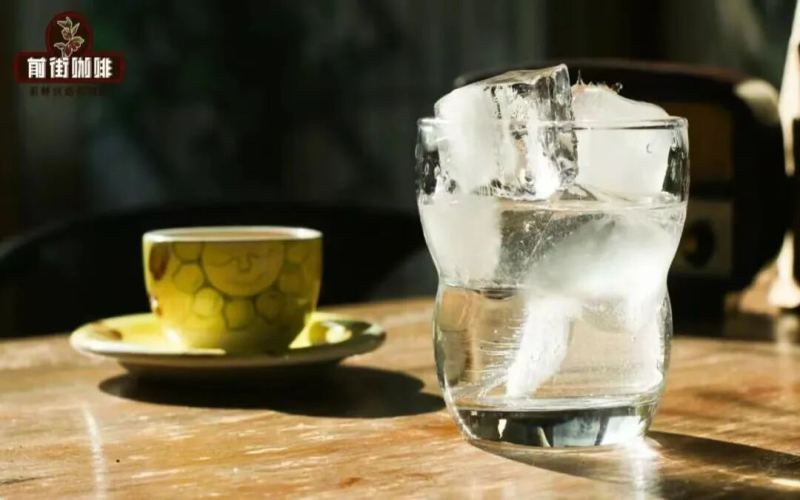
Espresso Coffee Tasting | What's the Etiquette for Drinking Espresso? What Techniques Are There for Tasting Espresso?
On various social platforms, we often come across scenes like this: a coffee enthusiast tilts their head back and downs a cup of espresso in one gulp, then after a brief frown, reveals an expression of intoxication as if they have tasted the most exquisite delicacy in the world. Many friends are infected by the enthusiast's emotions in the video, so after going to a café they will [more…]

The Origins and Evolution of Espresso, and Practical Tips for Properly Tasting Espresso
How did espresso evolve from a "devil's drink" into Italy's national beverage? This article traces the complete story of espresso—from its introduction to Italy in the 16th century, to the invention of the steam coffee machine, and on to the establishment of the modern extraction system—while delving into the cultural roots of Italians' preference for dark roasts and heavy-bodied flavors. At the same time, Front Street Coffee will share three practical tips for enjoying espresso—stir it, take a few extra sips, and pair it with ice water—to help you better appreciate the rich layers and lingering aftertaste hidden behind the bitterness. [more…]

How can you tell the processing method from a single sip of coffee? Flavor differences between natural and washed coffees and key points for pour-over tasting
In coffee tasting, accurately identifying the processing method is an advanced skill. Starting from the daily demos at Front Street stores, this article breaks down the core differences between the two classic processing methods—natural and washed—and recommends two representative beans from Ethiopia's Yirgacheffe region: Natural Red Cherry and Washed Kochere. Through comparative tasting, readers can capture the flavor characteristics brought by different processing methods and gradually develop the ability to tell them apart in a single sip. [more…]

A roundup of espresso-based small cups you can finish in two or three sips: the flavors and methods of Espresso, Piccolo, Macchiato, and Con Panna
Coffee, as one of the world's three major beverages, has developed a rich and diverse drinking culture over its long evolution. Among these, small-cup espresso drinks are deeply favored by enthusiasts for their efficiency—consumable in just two or three sips—and their concentrated flavors. In this article, Front Street Coffee will systematically introduce four classic small-cup coffees: Espresso as the base, Piccolo known as the "small latte," Macchiato whose name derives from "marked," and Con Panna made with espresso and cream. We will analyze each one's origin, preparation method, and flavor characteristics, giving you a quick understanding of the unique charm of these small-cup coffees. [more…]
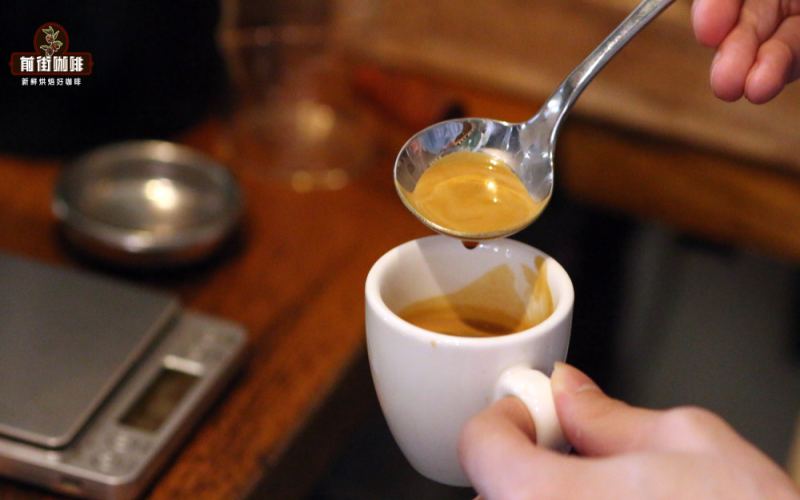
Espresso Flavor Characteristics | Is the crema on espresso actually coffee oil? What are the steps for making espresso? How do you drink espresso?
Espresso originated in Italy, derived from the Italian word "Express," meaning "pressed out, squeezed out." Through the pressure of steam in the boiler of an Italian coffee machine, water is forced through a layer of extremely finely ground and manually tamped coffee grounds, extracting a highly concentrated coffee liquid. Because of this [more…]

Have you ever seen coffee that is drunk upside down? Discover the unique sipping culture of Indonesia's Kupi Khop.
In the coffee world, it seems like everything can be reinvented in new ways, and even the way you drink coffee is no exception. Recently, a netizen shared a jaw-dropping drinking method on social media—placing the coffee cup upside down on a saucer and sipping it through a straw from the gap. This seemingly bizarre practice is actually a traditional drink called Kupi Khop from the Aceh region of Indonesia. What historical origins and cultural stories lie behind it? Why do locals still insist on this seemingly inelegant way of drinking? This article will take you on a journey to find out, while also exploring the unique flavors of Indonesian coffee and related recommendations from Front Street Coffee. [more…]
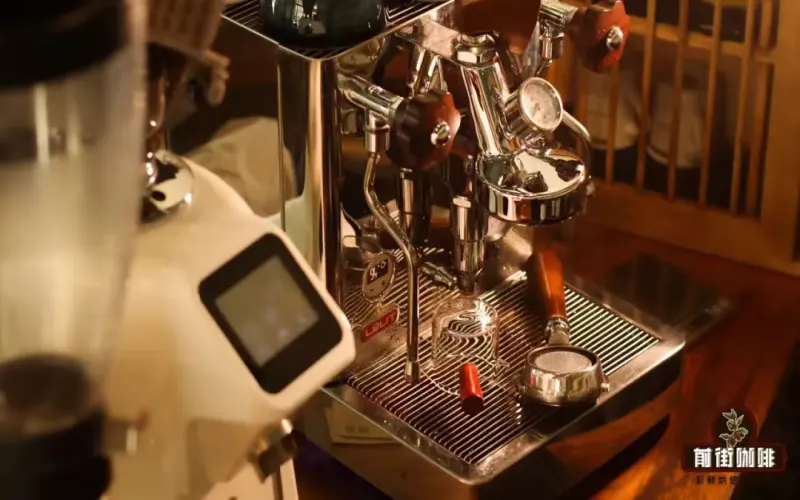
The Origin of Espresso | How Do You Drink Espresso? How Do Espresso and Americano Black Coffee Differ in Flavor and Mouthfeel?
For more specialty coffee knowledge, please follow our WeChat official account: Front Street Coffee (FrontStreet Coffee). Many people walk into a café, see a very small cup of black coffee with a golden layer of foam floating on top, and out of curiosity order one themselves, only to discover that this stuff actually tastes [more…]
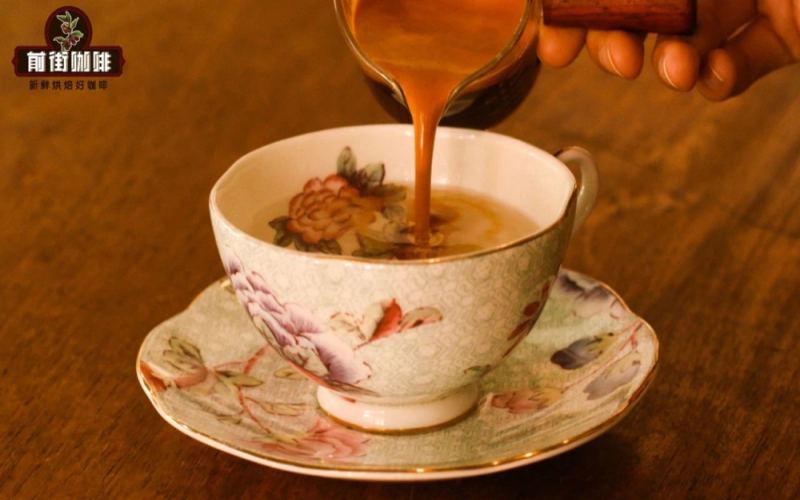
Espresso Flavor Characteristics | How Many Parts Make Up an Italian Coffee? What Is the Difference Between Espresso and Americano? How Do You Drink Espresso?
Anyone who has made espresso at home probably knows that espresso is the foundation of almost all fancy coffee drinks. For example, the ones we're most familiar with—latte, cappuccino, and flat white—are all made from espresso plus fresh milk, while Americano is simply espresso combined with water (or iced water). Because nothing else is added, [more…]

How to Make Espresso | How Is Espresso Made? What Flavor Characteristics Do Italian Coffees Have? What Is the Correct Way to Drink Espresso?
For more specialty coffee knowledge, please follow our WeChat official account: Front Street Coffee (FrontStreet Coffee). Espresso originated in Italy, derived from the Italian word "Express," meaning "pressed out, pushed out." Through the boiler of an Italian coffee machine [more…]
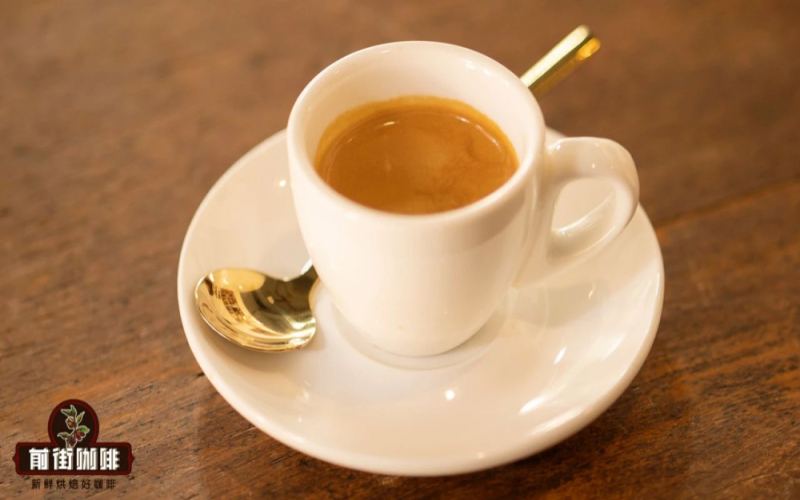
How Is Espresso Different from Americano? A Detailed Explanation of Espresso's Flavor Layers, Tasting Methods, and Extraction Parameters
Walking into a café, you'll often see espresso and Americano listed side by side on the menu—so what exactly is the difference between the two? Although espresso comes in a small serving, it is the foundation of many drinks such as lattes and cappuccinos. This article begins with the origin and definition of espresso, analyzes its three-layer structure of crema, body, and heart, introduces the color and taste standards that a good shot of espresso should have, and shares tasting steps, SCA extraction parameters, as well as Front Street Coffee's in-store serving methods and bean recommendations, helping coffee lovers truly understand this small but intense cup of black coffee. [more…]
The Complete Guide to Espresso: Flavor Layers, Tasting Methods, and Extraction Parameters
Espresso originates from Italy and, through high-pressure extraction, presents a rich and full-bodied flavor. It serves as the base for classic coffees such as lattes and cappuccinos. A proper cup of espresso, from its golden crema layer to the three-part structure of body and core, contains rich dimensions for tasting. This article will start from the origin and definition of espresso, break down in detail its flavor and mouthfeel characteristics and its three-part structural composition, and, combined with Front Street Coffee's production practices, share tasting methods and ideas for adjusting extraction parameters, helping coffee enthusiasts gain a more comprehensive understanding of this "work of art among coffees." [more…]

McDonald's Gingerbread Oat Latte Fail: From Cute Little Man to Voldemort in One Sip
During the Christmas season, major brands roll out limited-edition drinks, and McDonald's gingerbread oat latte has successfully broken through with its cute gingerbread man drawn in cocoa powder on the cup's surface, attracting many consumers to place orders and check in right away. However, not long after the new product launched, a group of netizens calling themselves the "first batch of victims" emerged on social platforms, posting photos of what they actually received—some gingerbread men turned into Voldemort after just one sip, some bore no resemblance to the official poster, and some cups were so clean that not even a trace of the gingerbread man could be found. This huge contrast between the "buyer's show" and the "seller's show" sparked heated discussion, and the comment section became a veritable roast session. It is worth noting that this Christmas limited-edition drink featuring the gingerbread man is currently only available at McDonald's stores in Hong Kong and Macau, and mainland consumers can only watch from behind their screens for now. [more…]
Espresso Fully Explained: Definition, Drinking Methods, and Key Differences from Americano
Walking into a café, that small cup of black coffee with golden foam floating on top and a strong, bitter taste is often espresso. It is both the base for drinks such as Americano, latte, and cappuccino, and the soul of Italian coffee culture. This article will start with the origin of espresso, its flavor characteristics, and its three-layer structure, explain its essential difference from Americano, and share the correct tasting steps, SCA extraction standard parameters, and the serving plan used at Front Street Coffee stores. Whether you are a beginner who has just encountered Italian-style coffee or an enthusiast looking to refine your tasting skills, you can gain practical reference from it. [more…]
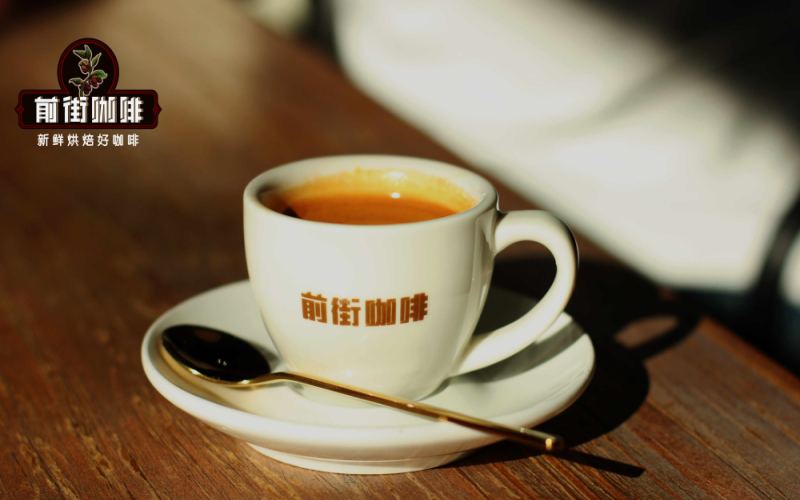
Espresso Tasting Guide: A Full Breakdown of Three Drinking Methods and the Standard Extraction Process
Espresso is Italy's most iconic classic coffee, rich in flavor with distinct layers, but due to its intense taste, many enthusiasts feel confused about how to properly drink it. This article will systematically introduce three ways to drink espresso — the beginner-friendly method of adding sugar and milk, the strong straight-drinking method preferred by men, and the elegant slow-sipping method favored by women — while also explaining in detail the complete preparation process from dosing, distributing, tamping, to extraction. Front Street Coffee (FrontStreet Coffee), using its Sunflower Warm Sun blend as an example, shares the standard parameters of 20 grams of grounds, 9 bar of pressure, and a 25-to-30-second extraction yielding 40 milliliters, helping you make a balanced cup of Espresso at home too. [more…]
Espresso Complete Guide: Definition, Extraction Process, Suitable Coffee Beans, and Tasting Methods
Espresso is the core of the Italian coffee system and the base for many drinks such as lattes and cappuccinos. Starting from the origin and definition of espresso, this article systematically explains its flavor characteristics and three-layer structure (crema, body, heart), and provides the extraction parameter ranges under SCA standards along with Front Street Coffee's actual in-store serving plan. It also introduces the flavor performance of Front Street's "Sunflower Warm Sun Espresso Beans" and the classic espresso blend, as well as the correct steps for tasting espresso and the recommended ratios for lattes and Americanos, helping coffee lovers fully understand and make a delicious cup of espresso. [more…]
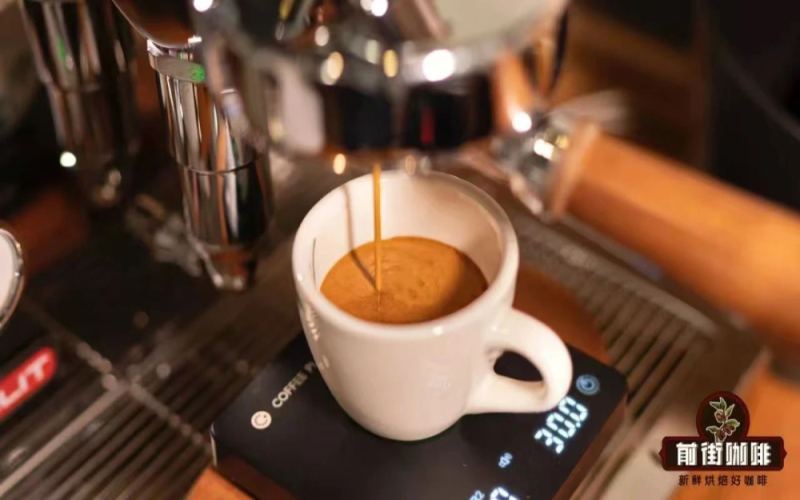
Espresso Beginner's Guide: A Complete Analysis from Origins and Evolution to Tasting Steps
Espresso is both unfamiliar and full of challenges for most people, and the intense bitterness brought by its high concentration often deters beginners. However, as long as you master the correct way to taste it, espresso can also reveal rich and captivating layers of flavor. From the perspective of Front Street Coffee, this article systematically sorts out the historical origins and evolution of espresso, explains in detail the three major tasting dimensions of aroma, mouthfeel, and finish, and provides a complete set of operating steps from rinsing the mouth with ice water and stirring the crema to taking a large sip, helping coffee lovers truly appreciate the unique charm of this classic Italian beverage. [more…]